Enable Linux on Your Chromebook
The most straightforward way to install Tor Browser on a Chromebook is through Linux support. Most modern Chromebooks allow you to enable a Linux environment. Open Settings, navigate to Advanced, then select Developers. Click Enable next to Linux development environment. This process takes several minutes as your Chromebook downloads and installs a Linux container. Once complete, you'll have a terminal window where you can run Linux applications. This method gives you full access to Tor Browser and other tools typically available on Linux systems.
Download Tor Browser via Terminal
After enabling Linux, open the terminal and update your package manager by typing the appropriate command for your Linux distribution. Most Chromebooks use Debian-based systems. Download Tor Browser by visiting the official Tor Project website or using wget to fetch the latest version directly. Extract the downloaded file to your home directory. Navigate into the extracted folder and run the start-tor-browser script. The first launch may take a moment as Tor Browser initializes its connection to the Tor network. Ensure you're downloading from the official source to avoid compromised versions.
Alternative: Using Onion Browser Apps
If enabling Linux seems complicated, some Chromebooks support Android apps through the Google Play Store. Search for Onion Browser or similar Tor-compatible applications. These apps provide a graphical interface for accessing the Tor network without terminal commands. Installation is straightforward through the Play Store. However, these alternatives may not offer the same level of functionality as the full Tor Browser. Check your Chromebook's compatibility with Android apps before attempting this method. Not all Chromebook models support this feature.
Verify Your Installation
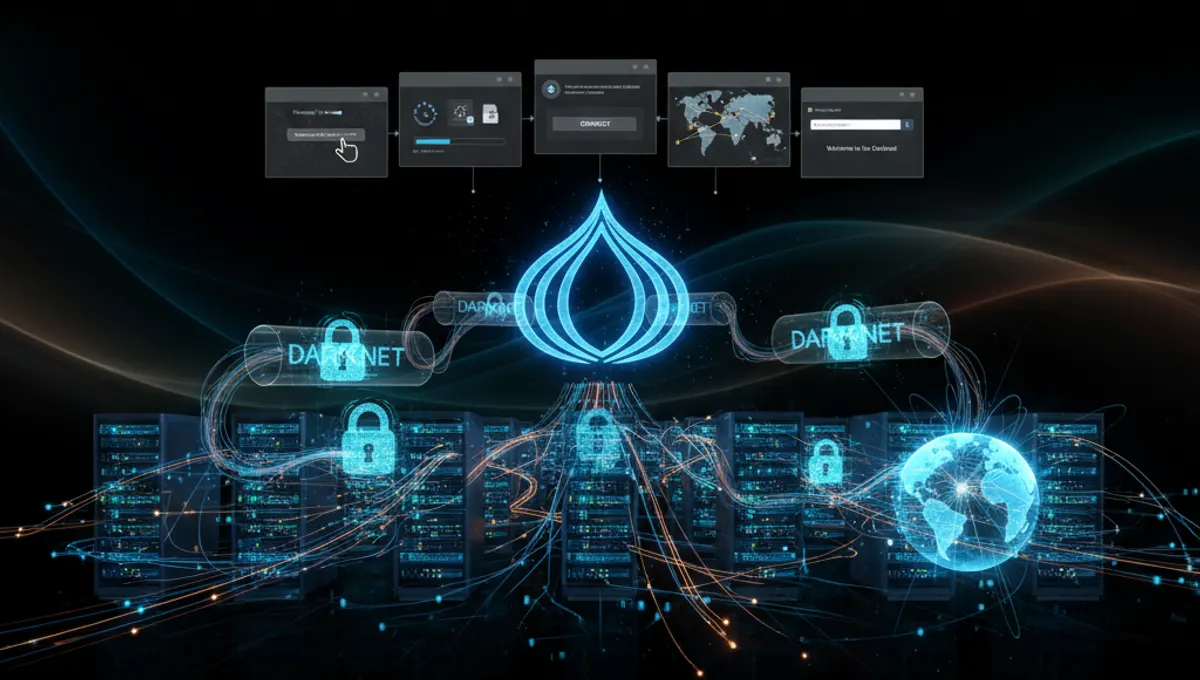
Once Tor Browser launches, you should see the Tor Browser window with a connection status indicator. The browser will automatically connect to the Tor network. Visit a website like check.torproject.org to confirm your IP address has changed and you're routing through Tor. The page will display your current IP and confirm whether you're using Tor. Keep Tor Browser updated by checking for new versions regularly. Updates patch security vulnerabilities and improve performance. You can configure additional settings in the preferences menu to customize your privacy level.
Troubleshooting Common Issues
If Tor Browser won't launch, ensure your Linux environment has sufficient storage space and is properly enabled. Check that you downloaded the correct version for Linux. Some Chromebooks may have restrictions preventing Linux installation. Contact your system administrator if you're using a managed Chromebook. If the connection fails, verify your internet connection and check whether your network blocks Tor connections. Some networks restrict access to Tor entry nodes. Consider using bridges if standard Tor connections are blocked. The Tor Browser settings menu provides options for configuring bridges and other connection parameters.
Security Best Practices
Always download Tor Browser from the official Tor Project website to ensure authenticity. Verify file signatures if you're familiar with cryptographic verification. Keep your Chromebook's operating system updated with the latest security patches. Avoid maximizing your browser window, as this can make you identifiable through screen resolution data. Disable plugins and extensions that might compromise anonymity. Use Tor Browser's built-in security settings rather than installing additional software. Never mix Tor and non-Tor traffic by using multiple browsers simultaneously for the same activity. These practices maintain the privacy benefits Tor provides.
Frequently asked questions
Can I install Tor Browser directly on Chrome OS without Linux?
No, Chrome OS doesn't support direct installation of desktop applications. You need to enable Linux support first, which creates a Linux container where you can run Tor Browser. Alternatively, some Chromebooks support Android apps through the Play Store, where you can find Tor-compatible applications.
Is it safe to use Tor Browser on a Chromebook?
Yes, Tor Browser on a Chromebook is as safe as on any other Linux system. The security depends on your usage habits and how you configure the browser. Always download from the official Tor Project website and keep your system updated with security patches.
Will enabling Linux affect my Chromebook's performance?
Enabling Linux uses some storage space and system resources, but most modern Chromebooks handle this well. Tor Browser itself may use additional memory and CPU during operation, but this shouldn't significantly impact normal browsing on most devices.
What if my Chromebook doesn't support Linux?
Older Chromebook models may not support Linux containers. Check your device's specifications or try accessing Settings to see if the Linux option is available. If unavailable, look for Tor-compatible Android apps in the Play Store as an alternative.
How do I know if Tor Browser is working correctly on my Chromebook?
Visit check.torproject.org in Tor Browser to verify your connection. The page will confirm whether you're using Tor and display your current IP address. If the site confirms Tor usage, your installation is working properly.