Understanding Tor Browser Availability
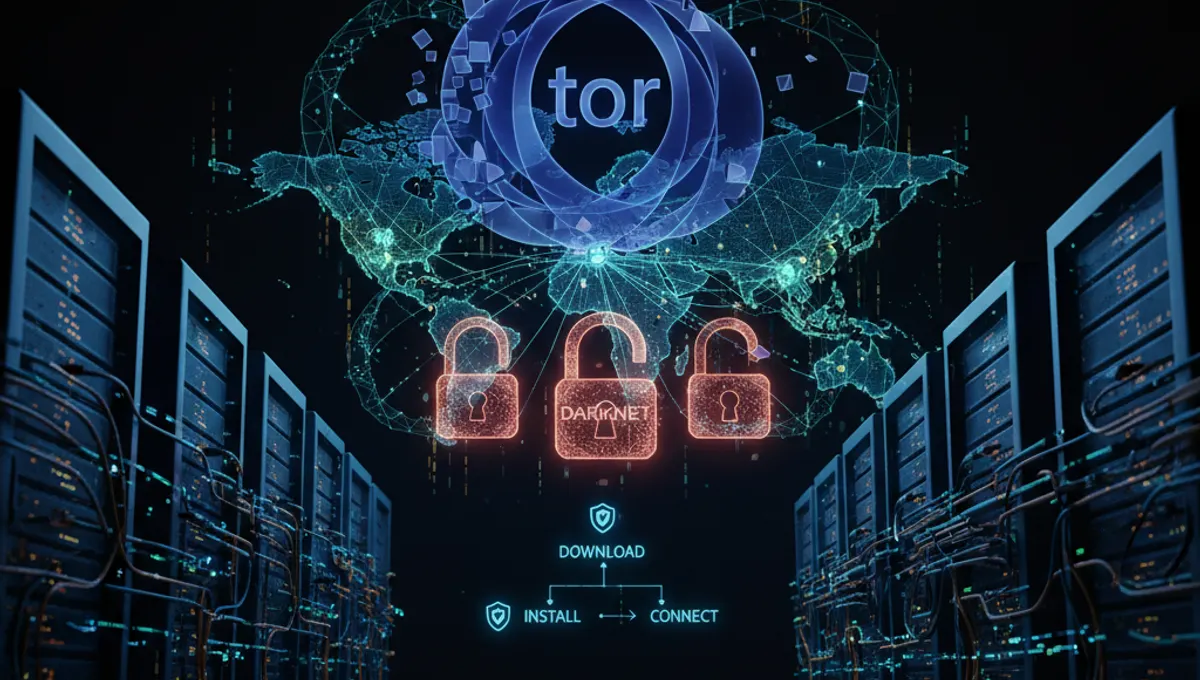
Tor Browser is distributed through multiple channels to ensure accessibility worldwide. The official Tor Project maintains primary distribution servers, but these can be blocked by certain networks or governments. Mirror sites and alternative distribution methods exist specifically to circumvent these restrictions. Understanding where Tor Browser comes from helps you identify legitimate sources. The software is open-source, meaning its code is publicly available for inspection. When downloading from any source, verifying the integrity of your download through checksums protects against tampering. Different versions serve different purposes: stable releases prioritize security and reliability, while alpha versions introduce experimental features for testing.
Official Tor Project Download Methods
The Tor Project provides downloads directly from their website, which remains the most reliable source. Their distribution infrastructure includes multiple servers designed to handle high traffic and geographic restrictions. You can access the official site through standard browsers or via Tor itself if you already have access. The download page offers versions for Windows, macOS, Linux, and Android. Each version is cryptographically signed, allowing you to verify authenticity. The official site also provides detailed release notes explaining changes between versions. For users unable to access the main site, the Tor Project maintains backup domains and mirror listings. These official channels ensure you receive unmodified software directly from the developers.
Mirror Sites and Alternative Sources
When primary download channels are blocked, mirror sites provide identical copies of Tor Browser. These mirrors are maintained by volunteers and organizations supporting internet freedom. Mirror listings are published on the official Tor Project site, ensuring they're legitimate. Common mirror providers include university networks, privacy-focused organizations, and internet freedom groups. Accessing mirrors requires knowing their URLs, which can be found through the official Tor documentation or community forums. Some mirrors use different domain extensions or hosting providers to bypass regional blocks. Always verify mirror legitimacy by cross-referencing with official Tor Project announcements. Mirror sites typically maintain current versions alongside older releases, useful if you need specific versions like Tor Browser 9, 10, or 11.
Version-Specific Download Guidance
Different Tor Browser versions serve different needs. Tor Browser 11 represents the current stable release with the latest security patches and performance improvements. Tor Browser 10 remains available for users requiring compatibility with older systems. Tor Browser 9 is legacy software but still accessible through archives. Alpha versions provide early access to upcoming features but carry higher risk. When downloading older versions, ensure your operating system supports them. Version compatibility varies by platform: some older versions may not run on current macOS or Windows releases. The official site maintains version history, allowing you to select specific releases. If you need a particular version, check the download page's version selector or archive section. Each version has distinct download links, so selecting the correct one prevents installation issues.
Verification and Security Checks
After downloading Tor Browser from any source, verification confirms you received legitimate software. The Tor Project publishes cryptographic signatures for each release, allowing you to verify file integrity. On Windows and macOS, you can verify signatures using built-in tools or third-party software. Linux users typically have command-line tools for signature verification. The verification process involves downloading the signature file alongside the installer, then running a verification command. This prevents installation of modified or malicious versions. Even from official sources, verification adds an extra security layer. The official documentation includes detailed verification instructions for each platform. Skipping verification risks installing compromised software that could expose your activity. Taking five minutes to verify protects your privacy and security.
Platform-Specific Download Considerations
Each operating system has distinct download and installation processes. Windows users download an installer executable that guides setup through a wizard. macOS users receive a disk image containing the application bundle. Linux users typically download a compressed archive requiring manual extraction and execution. Android users access Tor Browser through alternative app stores since it's not available on Google Play. Each platform has specific system requirements: Windows versions support Windows 7 and later, macOS requires recent versions, and Linux distributions vary in compatibility. Mobile platforms have different considerations, particularly regarding app store restrictions. Understanding your platform's requirements prevents download errors and installation failures. The official site provides platform-specific instructions, including screenshots and troubleshooting steps. Selecting the correct platform version during download is critical for successful installation.
Troubleshooting Download Issues
Download problems can stem from network restrictions, browser issues, or server problems. If downloads fail repeatedly, try a different browser or device to isolate the cause. Network-level blocking may require using a VPN before attempting to download Tor Browser, though this creates a chicken-and-egg scenario. Some networks block known Tor Project domains, making mirrors necessary. Incomplete downloads can be resumed through most browsers' download managers. If checksums don't match after download, the file may be corrupted; delete it and retry. Antivirus software sometimes quarantines Tor Browser incorrectly; check your security software's quarantine folder. Slow downloads may indicate server congestion; trying again during off-peak hours helps. If all else fails, community forums and the Tor Project's support channels provide assistance. Documenting error messages helps troubleshooters identify your specific issue.
Frequently asked questions
Is downloading Tor Browser legal?
Yes, downloading and using Tor Browser is legal in most countries. It's open-source software maintained by a nonprofit organization. Some governments restrict access, but this doesn't make the software itself illegal. Always verify local laws in your jurisdiction, as regulations vary by region.
How do I know if I'm downloading from a legitimate source?
Verify downloads through cryptographic signatures provided by the Tor Project. Check that URLs match official Tor Project domains or approved mirrors listed on their site. Never download from unfamiliar sources or suspicious links. The official site provides signature verification instructions for all platforms.
Can I download Tor Browser if my ISP blocks it?
Yes, using mirror sites or alternative distribution channels bypasses ISP-level blocking. The Tor Project maintains mirrors specifically for this purpose. You can also access mirrors through Tor itself if you have another way to bootstrap. Community forums provide current mirror listings when primary sites are blocked.
What's the difference between stable and alpha versions?
Stable versions prioritize security and reliability, receiving thorough testing before release. Alpha versions introduce experimental features but may contain bugs. Most users should download stable versions. Alpha versions suit developers and testers willing to report issues and accept potential instability.
Should I verify my download every time?
Yes, verification protects against compromised files regardless of source. The process takes minutes and prevents installation of malicious software. Even from official sources, verification adds security. It's especially important when downloading from mirrors or alternative sources.